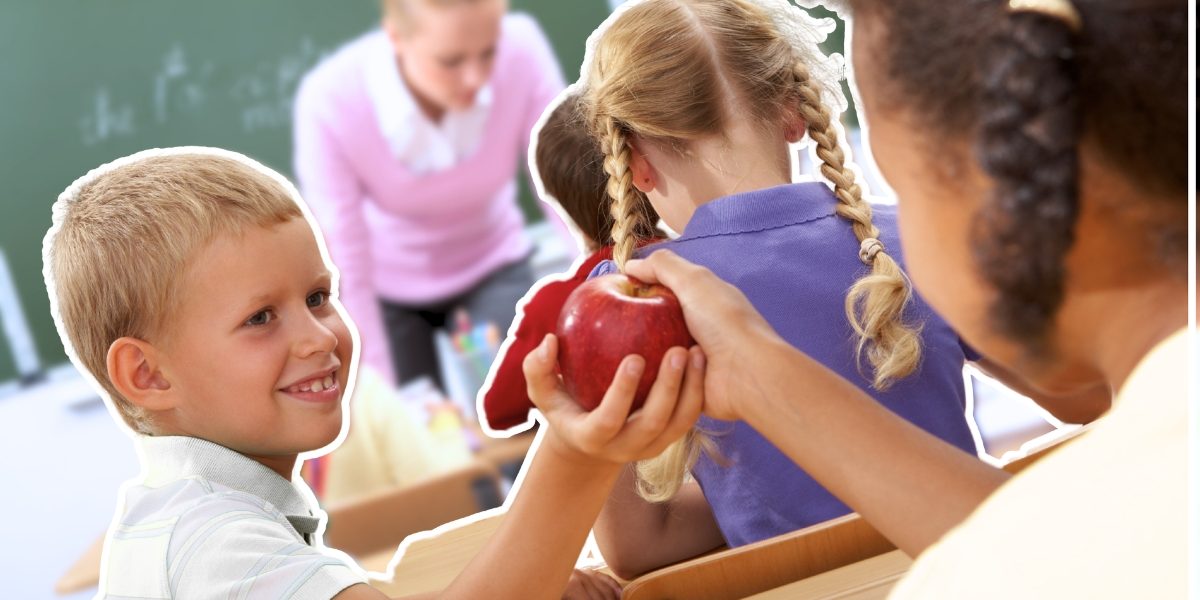
A child learns kindness long before they can explain it. They see it when someone shares the last piece of bread, speaks gently after a hard day, welcomes a lonely neighbour, or says sorry without being forced. In a parish family, these small moments carry spiritual weight. They show children that kindness is not just good manners. It is a way of loving God and caring for the people He places in front of us.
Parents do not need a perfect home, schedule, or vocabulary to raise compassionate children. What children need most is steady guidance, warm conversation, and real examples they can copy. Families who want simple parenting tips can build on the same truth at home: children grow best when values are lived in ordinary routines, not saved only for special lessons.
Kindness at a Glance
Kindness becomes meaningful for children when they can see it, practise it, and talk about it. A kind child is not one who never feels angry or jealous. A kind child is learning how to notice others, repair mistakes, share fairly, speak with respect, and choose mercy when there is room to be harsh.
Kindness Begins With What Children See
Children are careful watchers. They notice how parents speak to servers, grandparents, strangers, siblings, and drivers in traffic. They also notice whether adults treat kindness as something reserved for church, or as something that belongs at the dinner table, in the car, and at school. This is why role modelling matters. A lecture on kindness loses strength when a child hears sarcasm, impatience, or contempt at home.
That does not mean parents must be flawless. Children learn a deep lesson when adults admit mistakes. A parent who says, “I spoke too sharply earlier. I am sorry,” teaches humility and repair. That sentence can mean more than a long speech. It shows that kindness includes accountability and gives children a script they can use when they hurt someone else.
Parish life strengthens this lesson because children see care beyond their own household. A family that joins meals, visits, prayer groups, or support efforts helps children understand that compassion is not abstract. It has faces, names, and needs. The habit of supporting parish families gives children a living picture of what love looks like when someone is grieving, overwhelmed, new to the community, or in need of encouragement.
Talk About Kindness in Everyday Language
Many parents wait for a serious problem before talking about character. Kindness grows better through frequent, simple conversations. Children need words for what they are learning. They need to understand that kindness is not weakness, and it is not the same as allowing poor behaviour. Kindness means treating people with dignity while still telling the truth and keeping healthy boundaries.
During daily routines, parents can ask questions that help children notice other people. After school, instead of only asking about grades or homework, try asking who looked lonely, who helped someone, or who might need a friend tomorrow. At the grocery store, talk about letting an elderly person go first. At bedtime, invite children to name one kind thing they saw and one kind thing they tried.
Five Family Practices That Make Kindness Real
Kindness becomes stronger when children get repeated practice. Like prayer, music, reading, or sport, compassion develops through rhythm. Small family habits can shape a child’s conscience over time.
- Name kindness when it happens.
Instead of vague praise, be specific. Say, “You waited while your brother finished speaking. That was respectful.” Specific words help children connect the action with the value. - Invite children into small acts of service.
Children can help pack food, write cards, tidy a shared space, or bring soup to someone who is unwell. These tasks teach that care is not only a feeling. - Use stories to build empathy.
Bible stories, saint stories, family memories, and picture books can help children imagine another person’s feelings. Ask, “What do you think she felt?” - Practise repair after conflict.
A forced apology can become empty. A better approach is to help the child understand what happened, how the other person felt, and what could make things right. - Create a weekly kindness plan.
Choose one simple act as a family. It might be greeting someone new after Mass, calling a relative, donating gently used items, or thanking a teacher.
Service Teaches What Words Alone Cannot
Children often understand kindness more deeply when they serve with their hands. They may forget a sermon line or a family talk, but they will remember delivering food, setting chairs, making a card, or seeing a parent quietly check on someone who is struggling. Service shows them that every person has worth.
Parents can begin with age-appropriate service. A preschooler can draw a cheerful picture for a homebound parishioner. A school-age child can help sort donations. A teenager can volunteer at an event, assist younger children, or support outreach with planning and follow-through. The parish setting gives families many gentle entry points, and community service helps children connect faith with action in a natural way.
Handling Big Feelings With Care
Children are not unkind simply because they feel angry, jealous, tired, or disappointed. Those feelings are part of growing up. The real lesson is what to do with them. Parents can teach children that kindness does not require pretending everything is fine. It means learning to pause, speak truthfully, and avoid hurting others with words or actions.
This is where emotional coaching becomes part of moral development. A child who can say, “I felt left out,” is less likely to shove, insult, or withdraw in silence. A child who learns to breathe, ask for help, or walk away has more tools for choosing kindness under pressure. UNICEF notes that children learn from clear, respectful communication, and that kind language helps set a positive example for them. UNICEF communication guidance
| Situation | Parent Response | Kindness Lesson |
|---|---|---|
| A child refuses to share | Ask what feels hard, then practise taking turns | Fairness includes patience and listening |
| A sibling says something hurtful | Pause the argument and name the harm calmly | Words can wound, and words can repair |
| A classmate is excluded | Discuss one safe way to include or support them | Kindness may require courage |
Teach Kindness Without Raising People-Pleasers
One common worry is that teaching kindness will make children too passive. That only happens when kindness is confused with silence. True kindness has a backbone. It can say no. It can protect someone from being mistreated. It can refuse gossip. It can tell the truth without cruelty. Children need to know that being kind does not mean accepting bullying, hiding discomfort, or ignoring danger.
Parents can use simple phrases that combine compassion with boundaries. A child might say, “Please do not call me that,” or “I do not want to play that game if someone gets hurt.” Older children can learn to say, “That joke is not kind,” or “Let’s not talk about her when she is not here.” These words may feel awkward at first, and practising at home can help.
Simple Activities Families Can Try This Month
Parents often want ideas that fit real life. The best kindness activities are simple enough to repeat and meaningful enough to remember. They should not feel like another burden. A few intentional minutes can change the atmosphere of a home.
- Kindness jar: Place a jar in the kitchen. Each time someone notices a kind act, write it on a slip of paper. Read the notes together on Sunday.
- Prayer for one person: Choose one person each week who may need comfort, then pray for them and consider one practical way to help.
- Gratitude messages: Help children write a short note to a teacher, parish volunteer, coach, grandparent, or friend.
- Family listening night: Give each person a few minutes to speak without interruption. This teaches respect inside the home first.
These activities work best when parents join in. A kindness jar loses power if adults only watch from the side. A gratitude note means more when a child sees a parent writing one too. Shared practice turns kindness into family culture, not a child-only assignment.
A Kinder Home Builds a Kinder Parish
Helping children understand kindness is not a single talk. It is a way of family life. It lives in greetings, apologies, chores, prayers, service, patience, and honest conversations after hard moments. It grows when children see adults choose mercy in ordinary places. It deepens when they are invited to help, not merely told to behave.
Parents may not see the fruit right away. A child may still argue over toys, forget to say thank you, or need many reminders. That is normal. Formation takes time. Each small act adds another layer. Over the years, those layers can become a generous heart, a steady conscience, and a child who sees kindness as one of the clearest ways to love God and neighbour.